Whitstable is a seaside town on the north coast of Kent in south-east England, 5 miles / 8km north of Canterbury, with a population of about 30,000. It is famous for oyster fishing , an activity that goes back to Roman times and is celebrated at the annual Whitstable Oyster Festival. In the nineteenth century Canterbury businessmen funded the The Crab and Winkle Line, the world’s first steam-powered passenger railway, opened in 1830 between Canterbury and Whitstable. The line also carried seafood from Whistable and goods shipped down from North East England. With the opening of the North Eastern Railway (1854) sea links with North East England declined but trade increased between Whistable and the Baltic, especially in naval goods, such as timber, hemp, tar, and iron, which were crucial for the shipbuilding industries in the region.
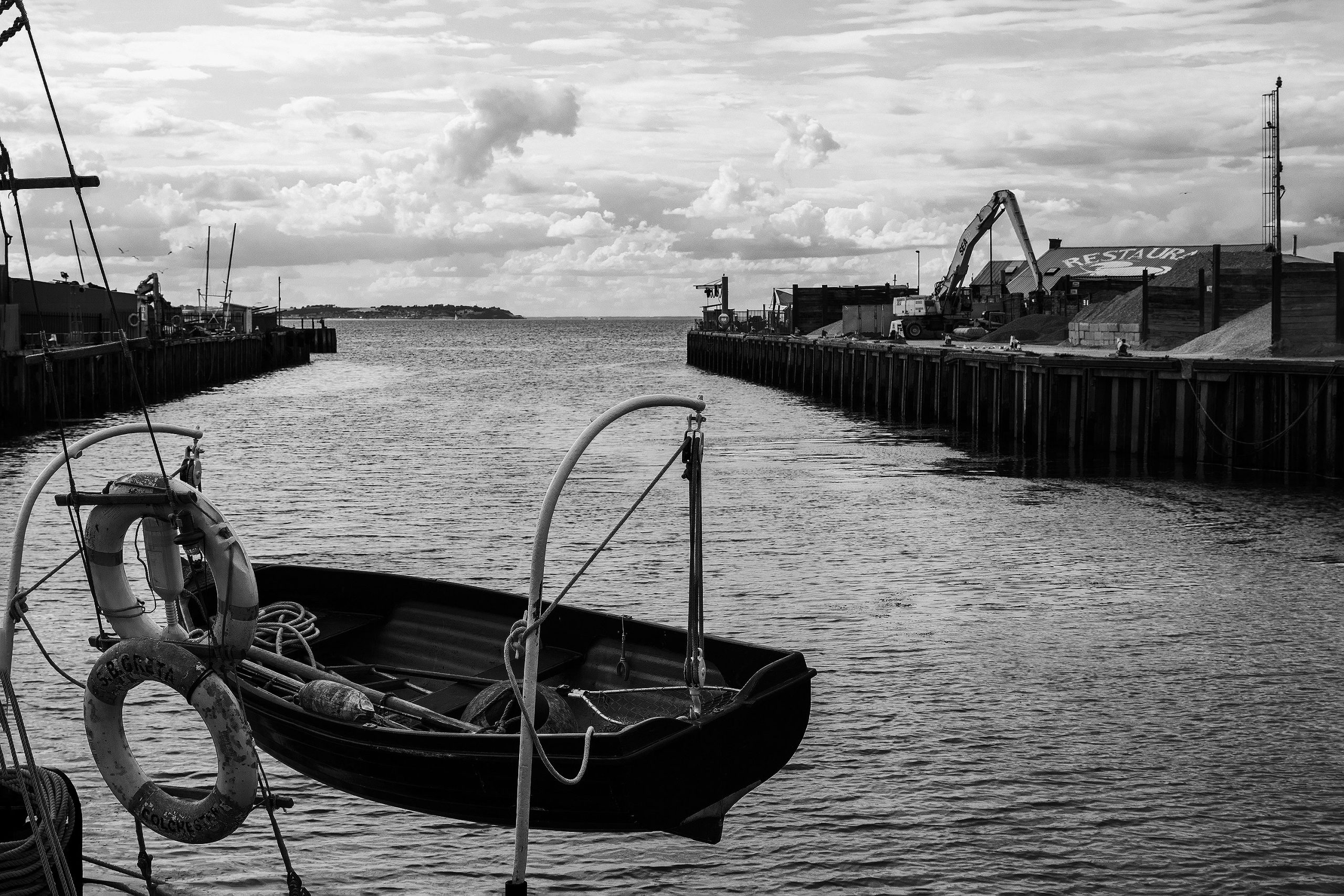
Looking over the rowing boat on the fishing trawler out towards the Isle of Sheppy on the horizon.
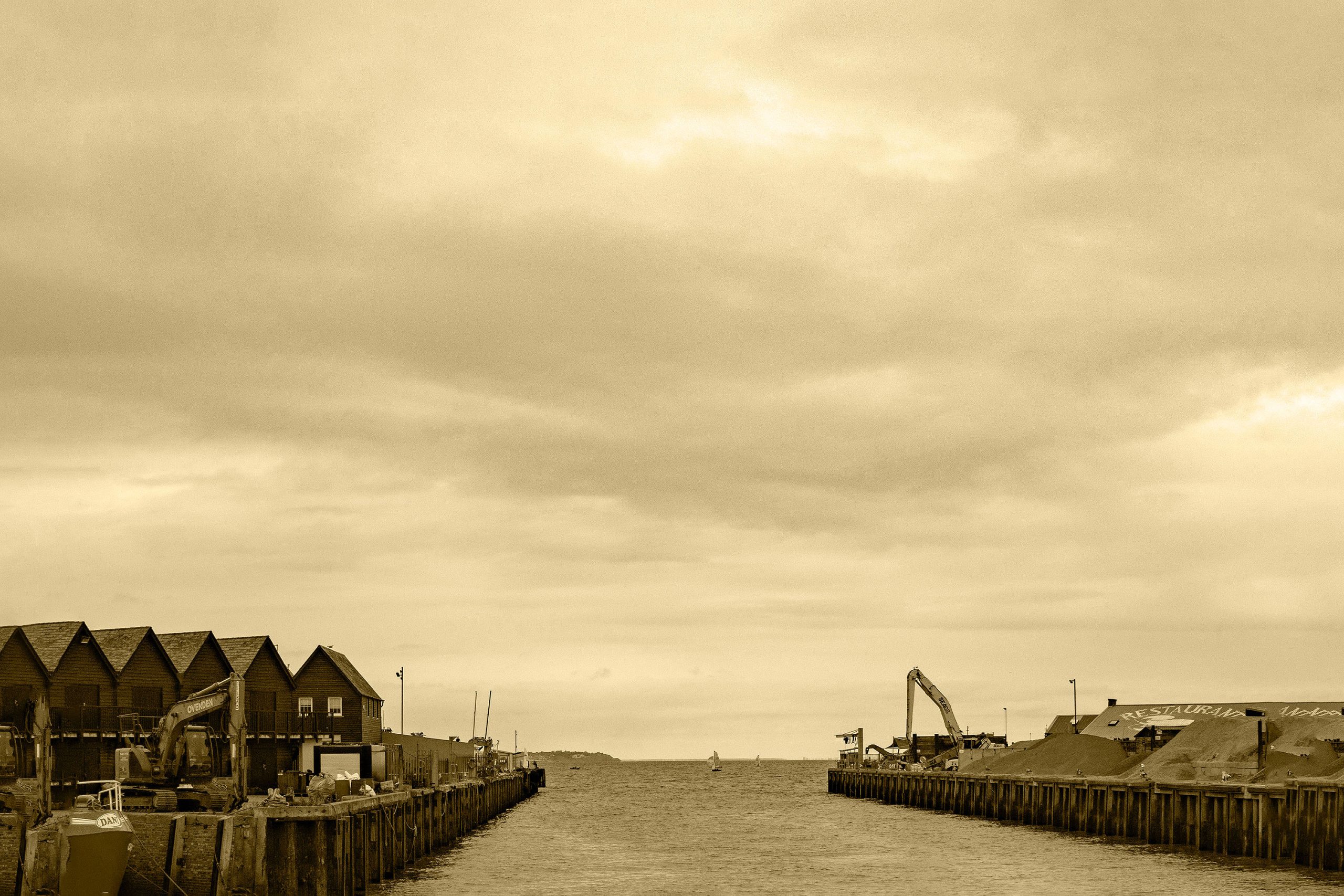
A similar view lookong out towards Sheppy but focussing more on the clouds. Sepia effect is created through desaturation.
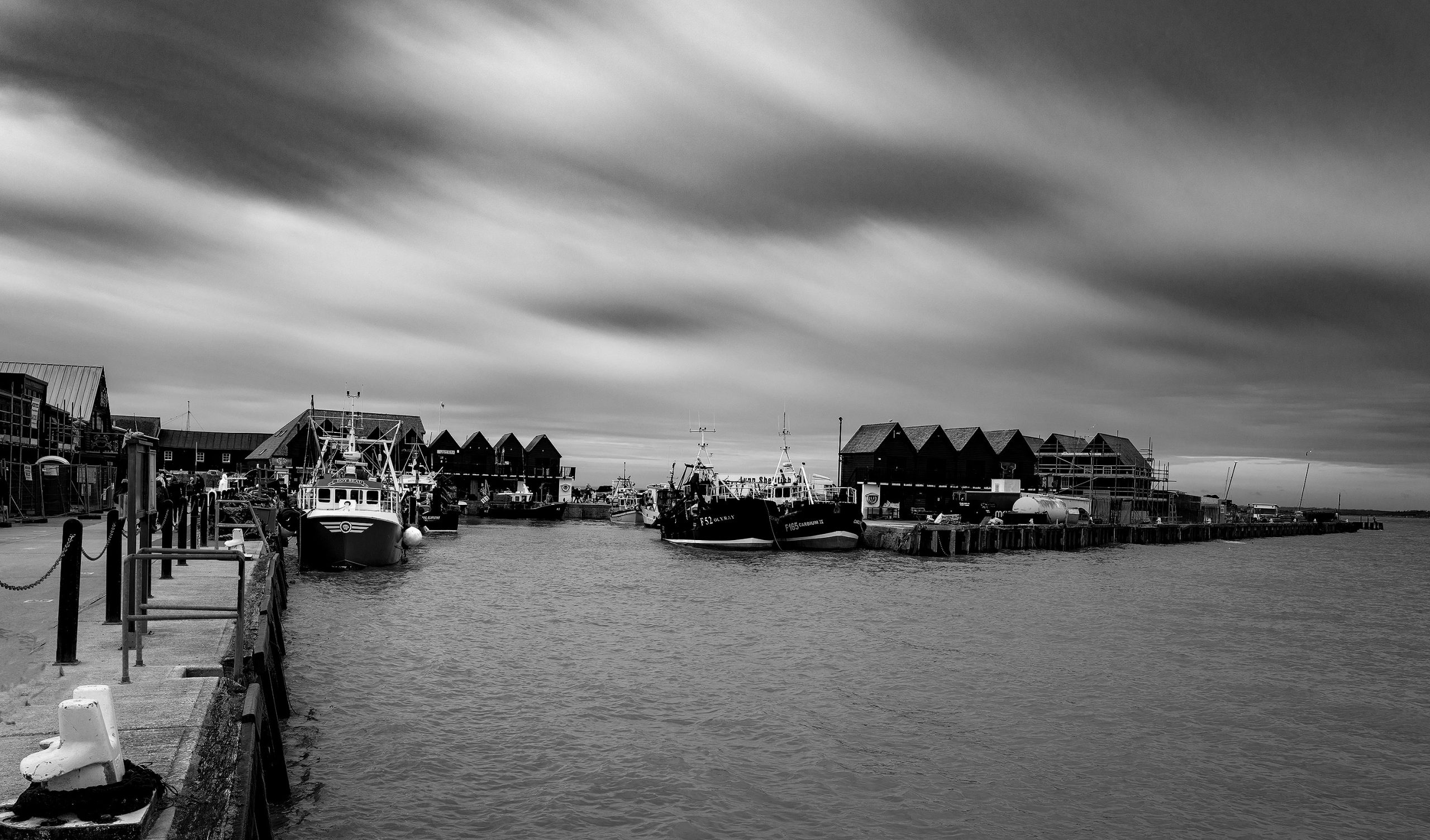
Taken from the entrance to the harbour, the emphasis is again on the clouds. that create a particularly dramatic effect This is not a long exposure – it was taken at 1/60th. The effect of movement was caused by high winds and very low clouds.
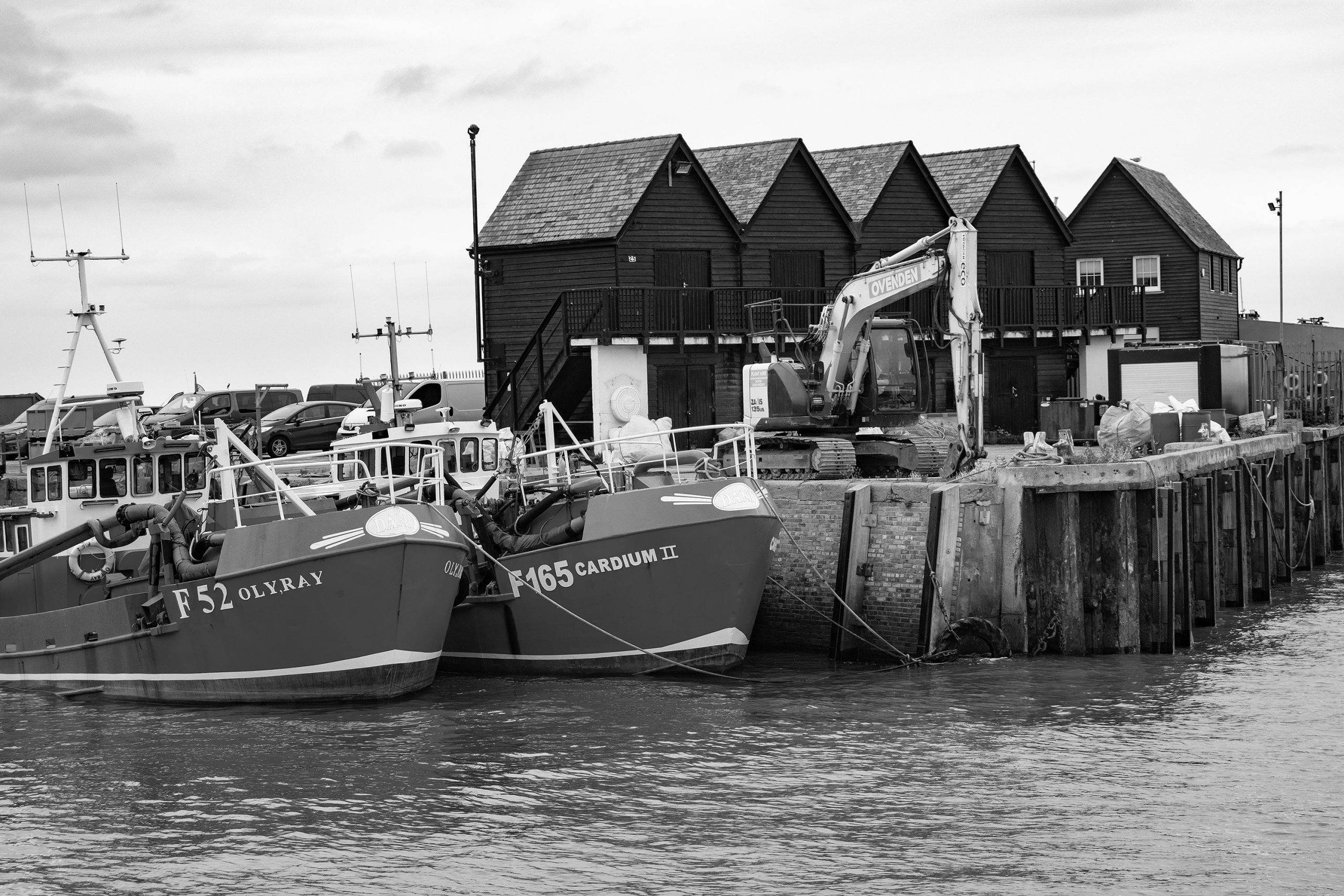
Fishing boats harboured during the day. Most of the fishing (often for oysters) happens at night.
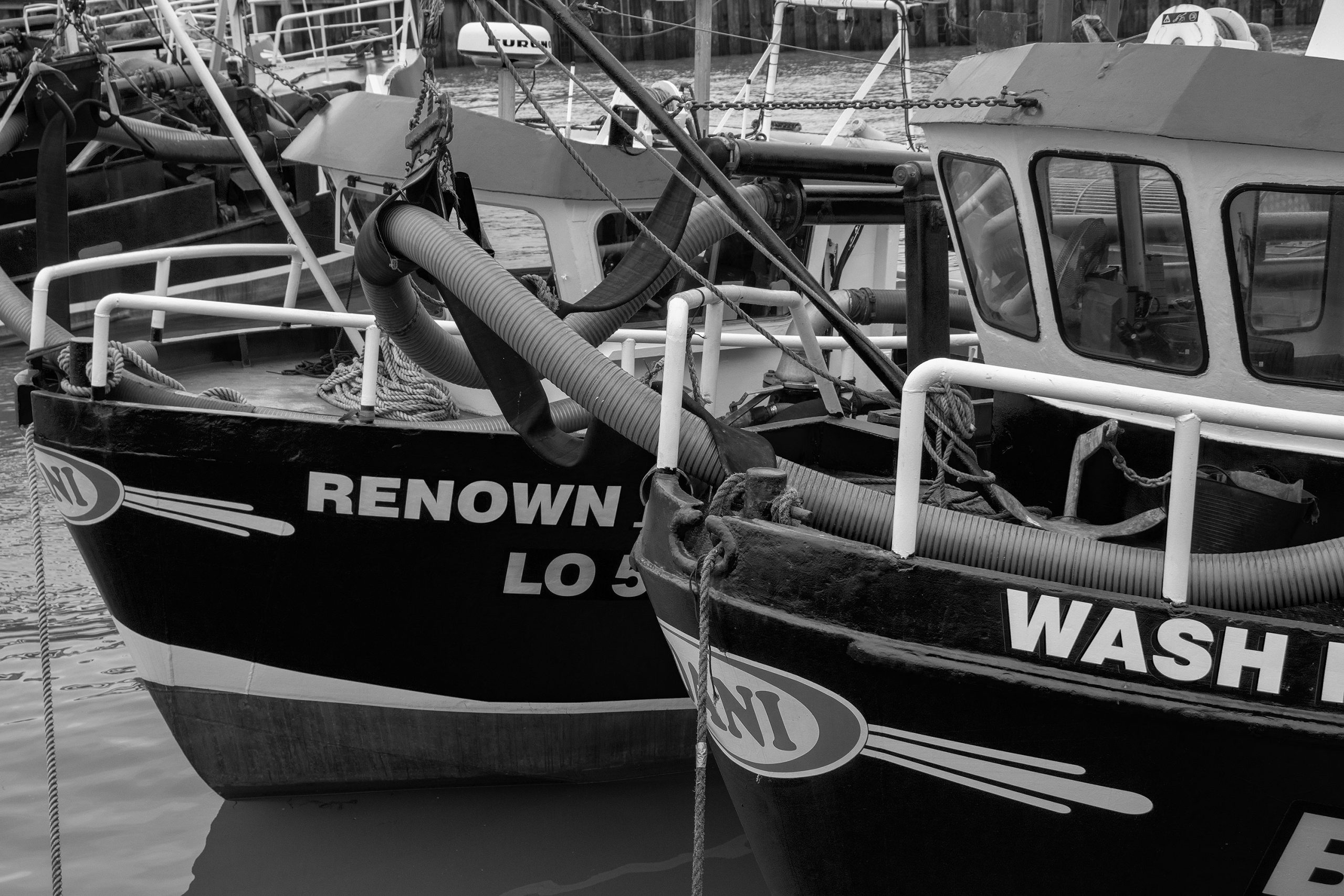
Detail of the boats in harbour
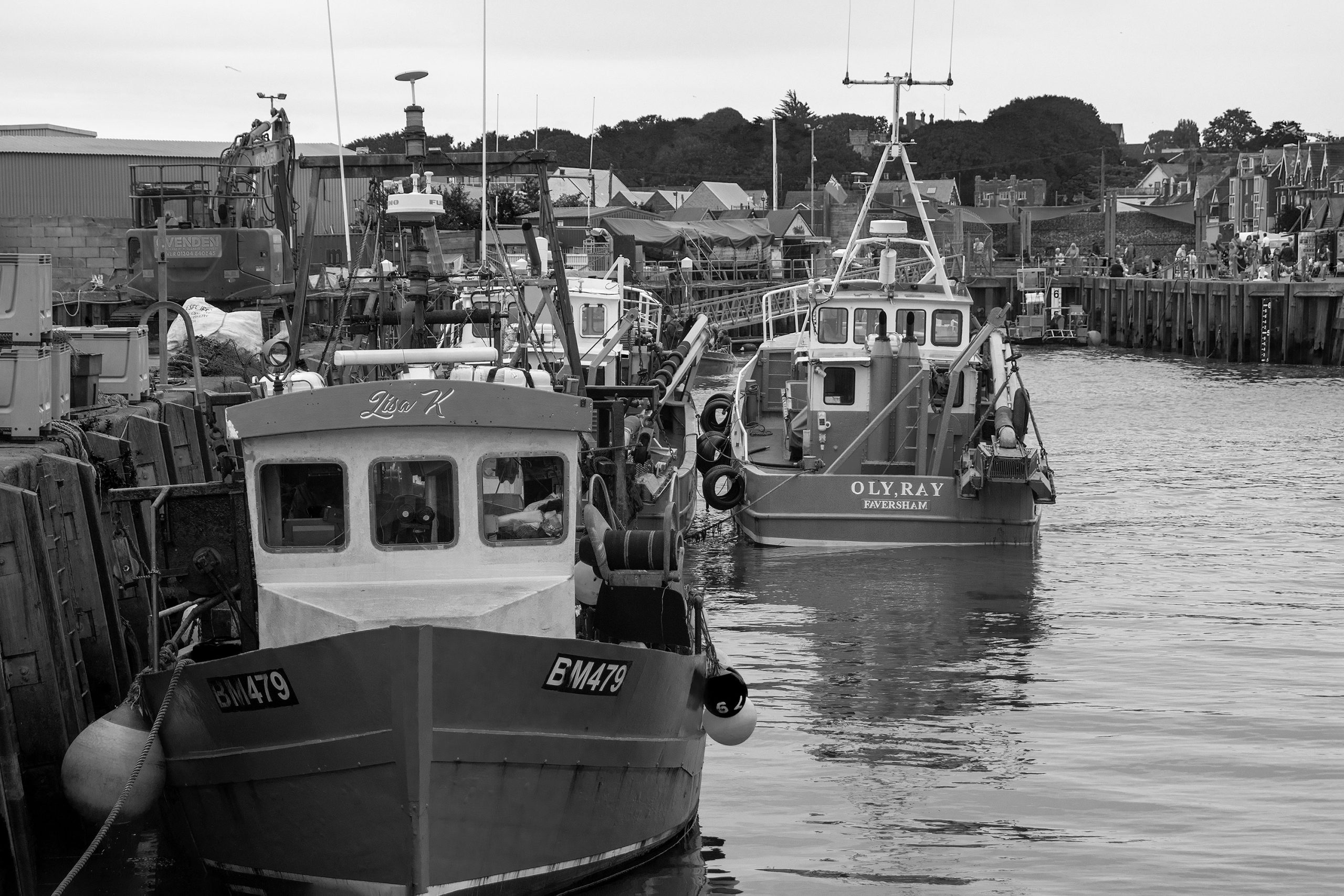
The perspective gives some sense of the harbour busy with boats and visitors visable on the upper right of the image.
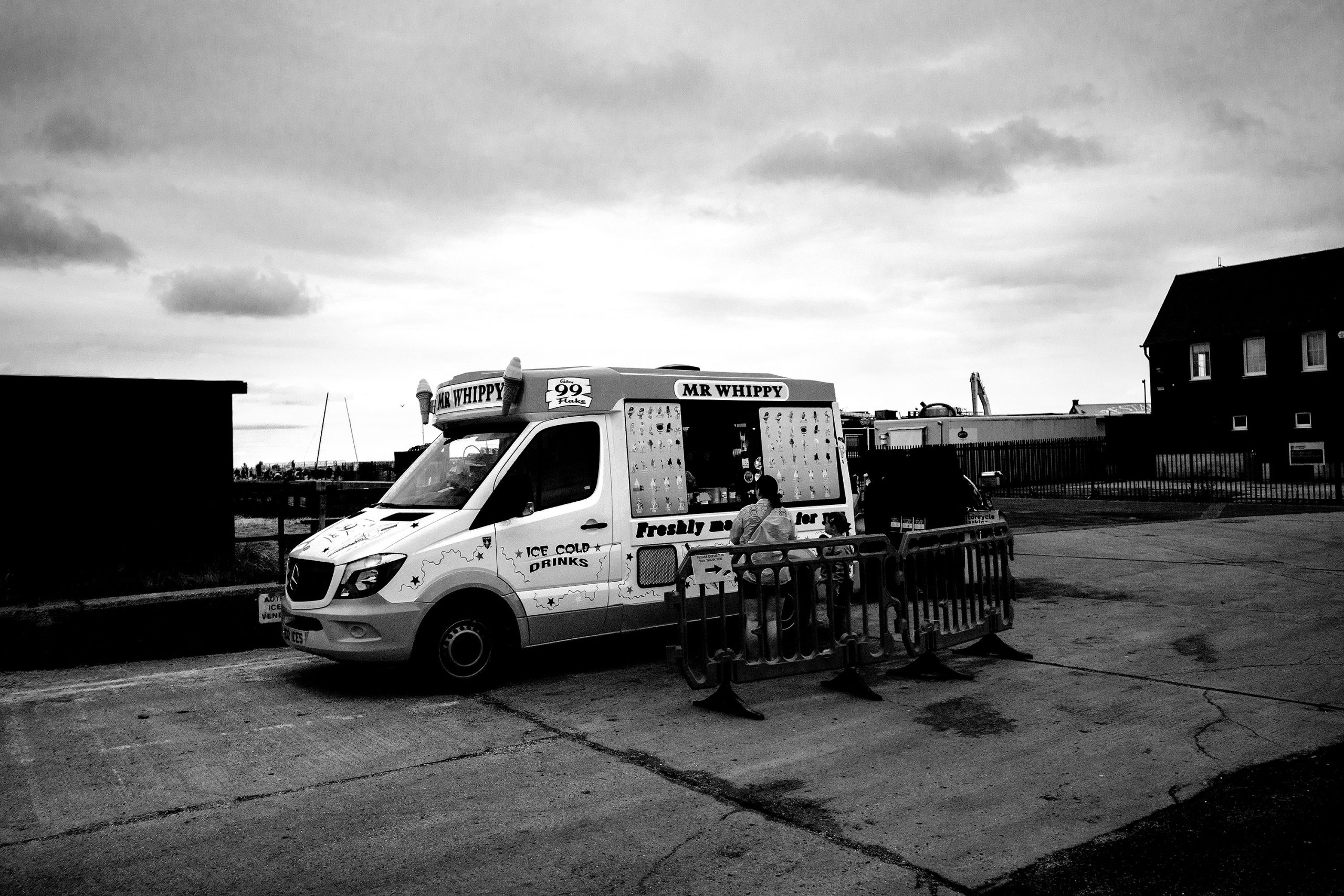
Mr Whippy hopeful of business on a chilly day.
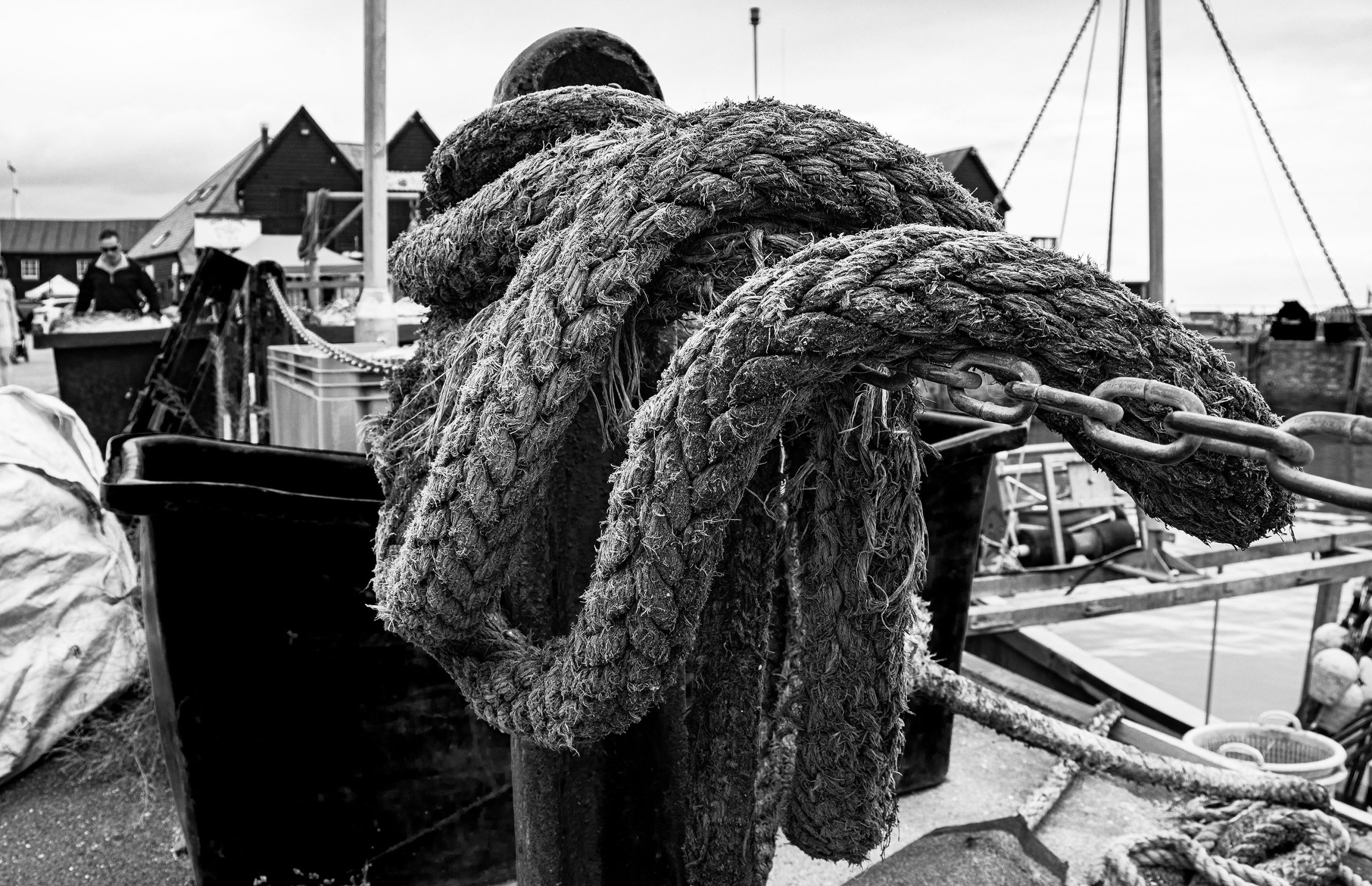
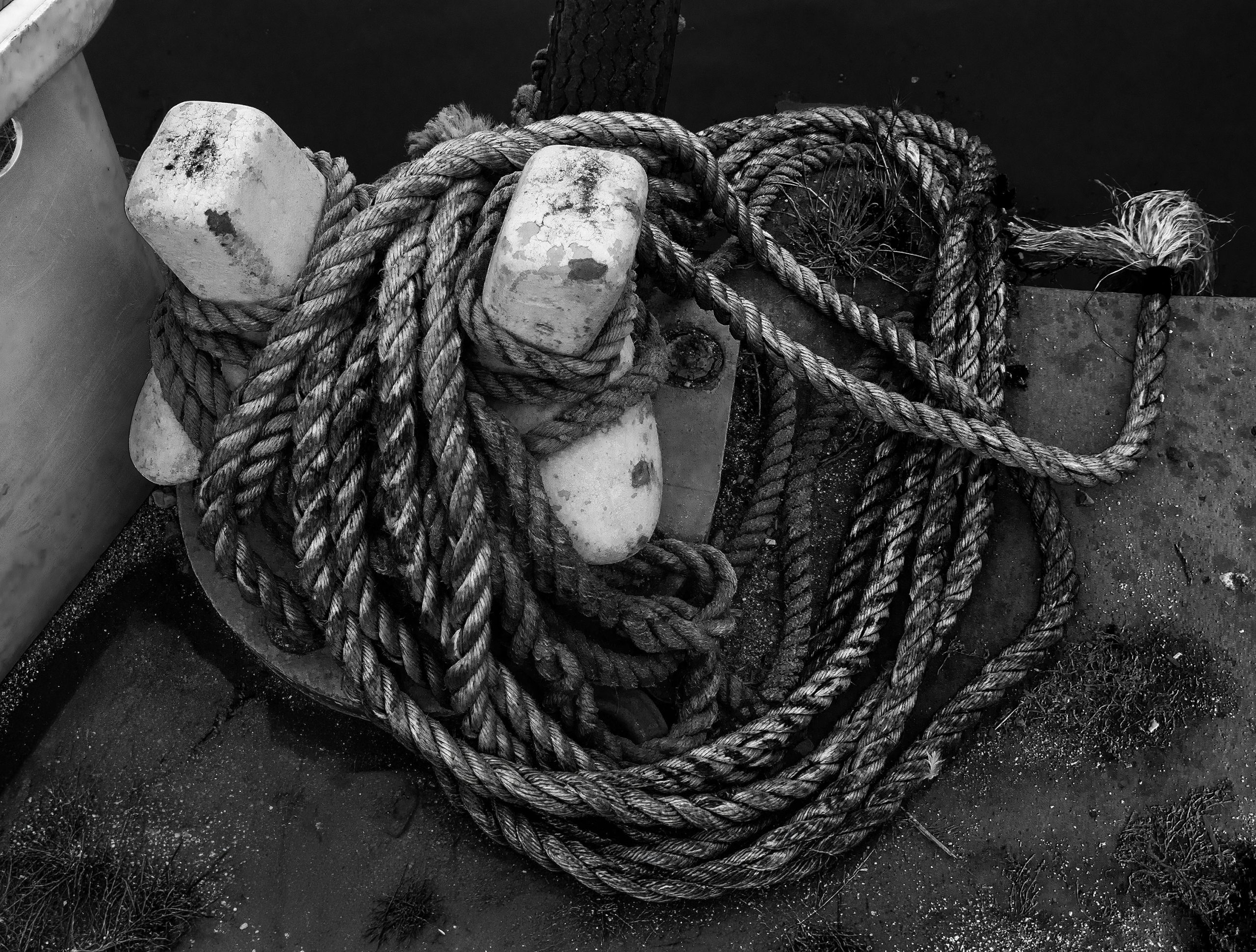
Rope detail
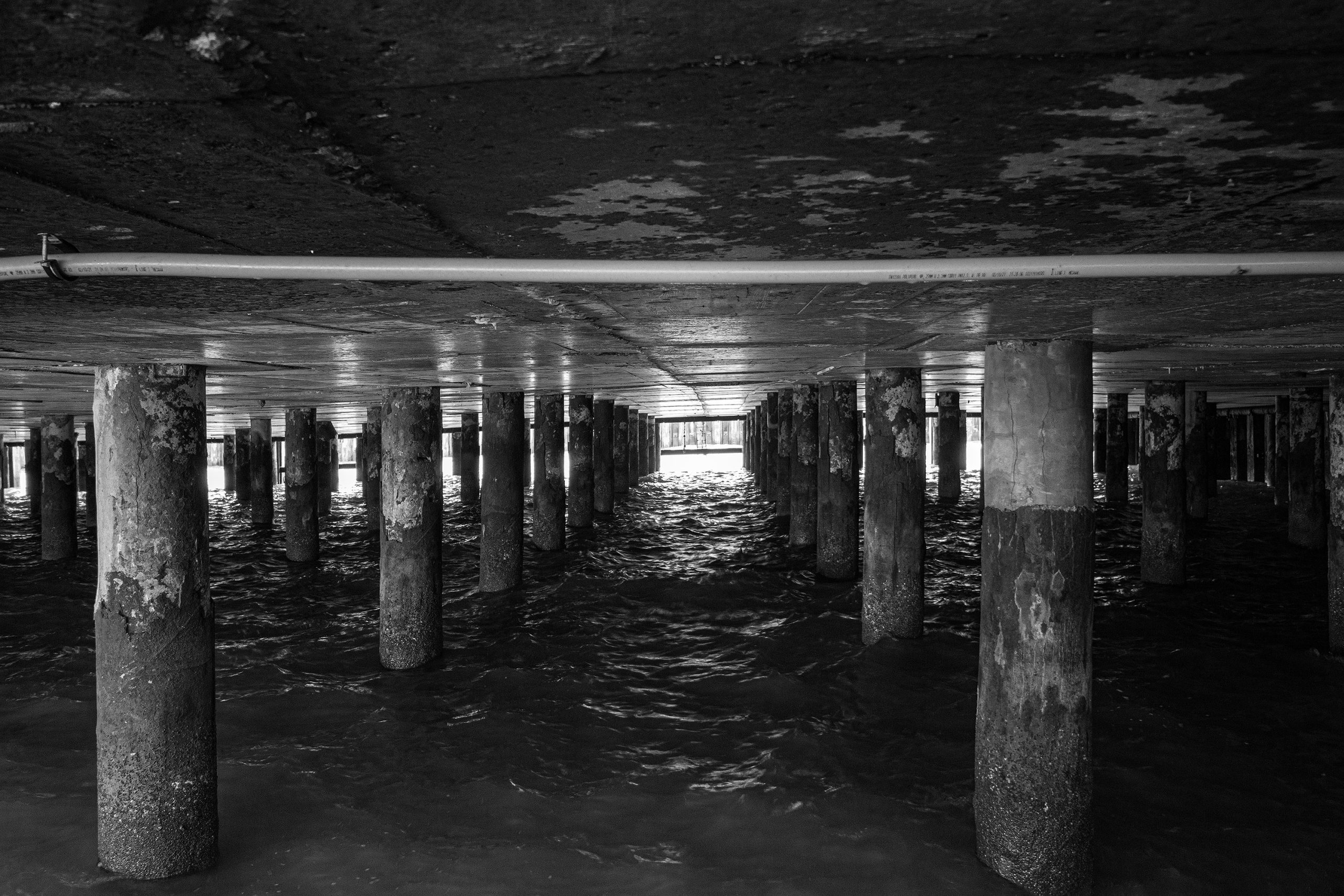
Under the pier Whistable harbour.
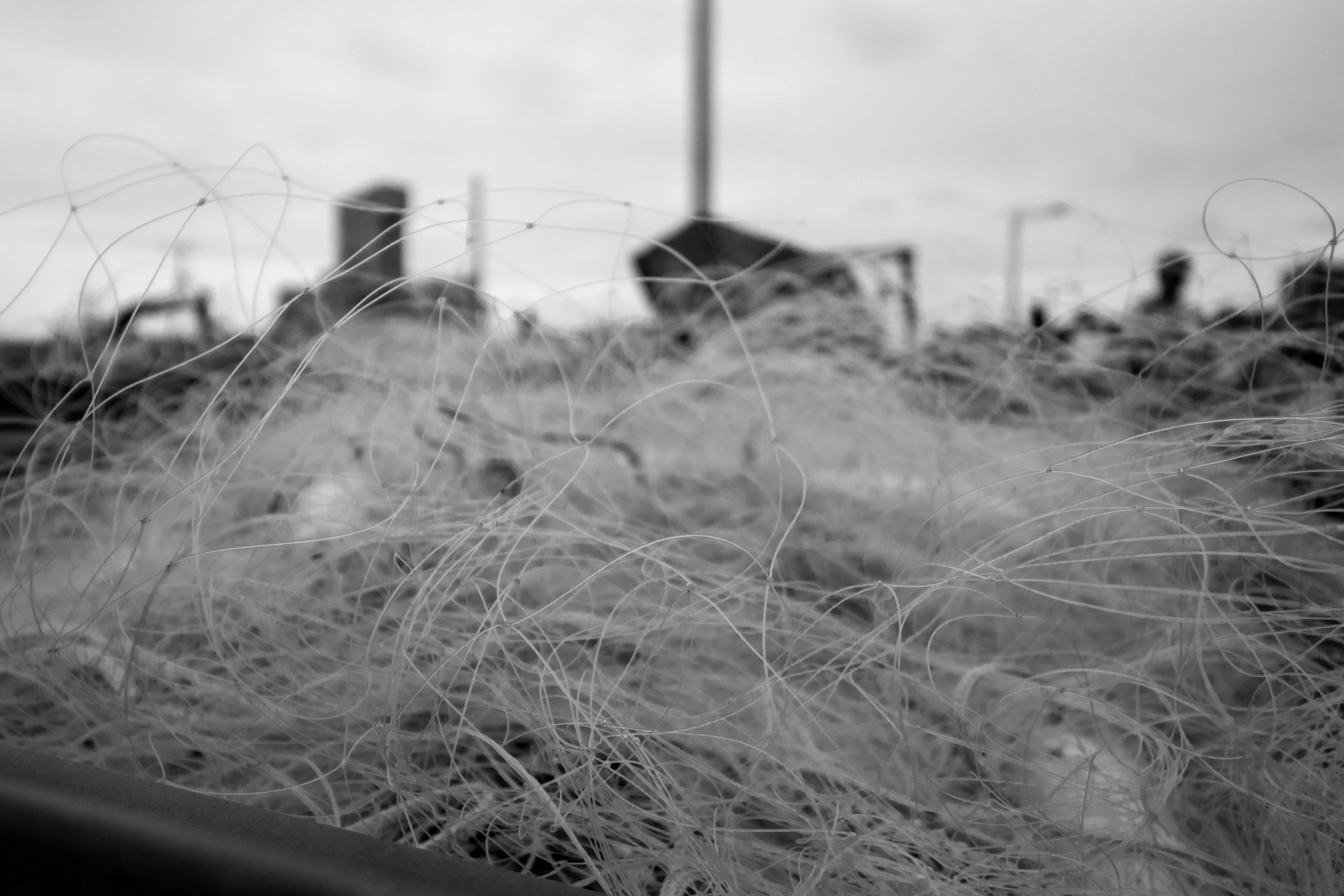
Fine mesh from ropes in the harbour
If you are interested in any of my work please do not hesitate to contact me.